Programmes
B2A² Personal Branding Workshops
Building Confidence, Clarity, Contribution and Community Impact
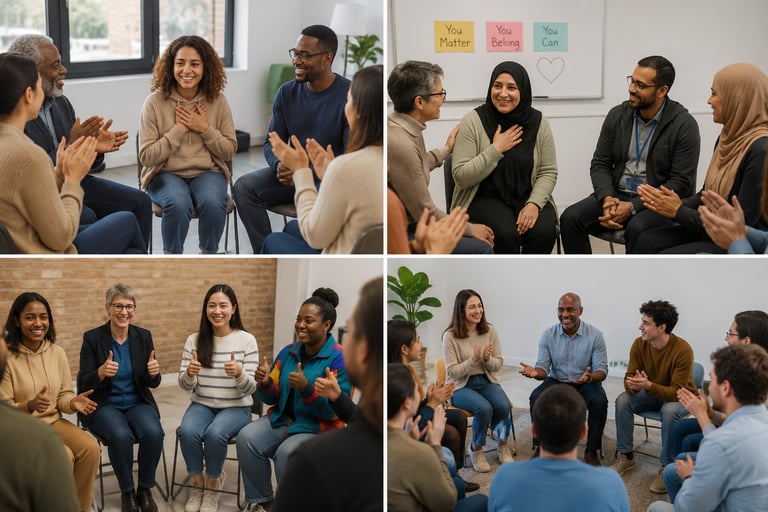
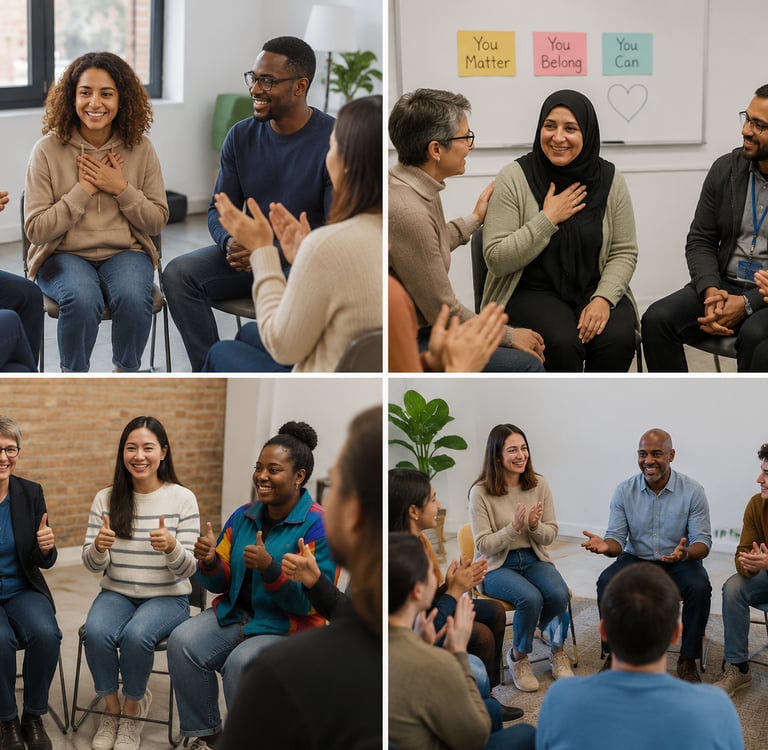
Our B2A² Personal Branding Workshops are designed to help individuals develop greater self-understanding, confidence, communication, and purposeful engagement with the world around them.
Grounded in the B2A²Journey — Aspire, Achieve, Assist and Abundance — the 4As workshops combine reflective learning, strengths-based development, practical self-presentation skills, and community-centred growth.
The 4As Workshops
1. ASPIRE
Discover Purpose, Identity and Possibility
This workshop supports participants in exploring:
personal values and strengths,
life experiences and identity,
aspirations, meaning and direction,
confidence rebuilding and self-awareness.
Participants begin reflecting on who they are, what matters to them, and the possibilities they wish to grow toward.
2. ACHIEVE
Develop Capability, Confidence and Action
This workshop focuses on:
recognising talents and transferable strengths,
communication and self-presentation,
confidence in practical settings,
goal development and purposeful action,
growth in self-efficacy and resilience.
Participants are encouraged to steward and apply their abilities with clarity, discipline and intention.
3. ASSIST
Build Relationships, Trust and Community Contribution
This workshop explores:
empathy and supportive communication,
relational leadership and collaboration,
community-minded contribution,
using lived experience to support others,
building trust through authenticity and integrity.
Participants reflect on how personal growth can also become a source of encouragement and value for others.
4. ABUNDANCE
Multiply Impact and Sustain Meaningful Growth
This workshop encourages participants to consider:
sustainable wellbeing and flourishing,
long-term contribution and legacy,
collective growth and community impact,
continuing personal development journeys,
integrating purpose, capability and service.
Participants are invited to envision how their personal journey can contribute toward wider well-being and shared abundance.
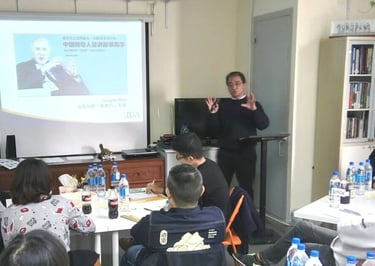
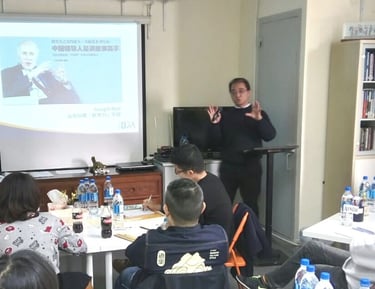
The B2A² workshops are delivered through reflective activities, guided discussion, practical exercises and strengths-based learning experiences. While each workshop introduces key concepts and practices from the B2A² framework, the deeper methodology, facilitation structure and developmental applications continue to evolve through the ongoing work and research of B2A CIC (Scotland).








Together, We Multiply!


One-to-One Consultation
Purpose of the One-to-One Consultation
The One-to-One Consultation provides a safe, respectful, and encouraging space for individuals to:
reflect on their life journey and experiences,
rediscover strengths, values, and aspirations,
rebuild confidence and self-belief,
clarify identity and personal direction,
develop an authentic voice,
communicate their value meaningfully,
and move forward with dignity, hope, and contribution.
The consultation is not therapy or clinical counseling.
Rather, it is a guided developmental and reflective process grounded in encouragement, self-awareness, practical action, and positive human growth.
The Consultation Structure
Stage 1 — Welcome & Trust Building
Aim:
To create psychological safety, warmth, dignity, and mutual trust.
Key Activities:
Warm introduction
Clarifying confidentiality and boundaries
Explaining the purpose of the consultation
Gentle conversation about current life circumstances
Encouraging the participant to share at their own pace
Stage 2 — Life Story Reflection
Aim:
To help participants recognize experiences, resilience, and identity-shaping moments.
Key Activities:
Personal storytelling
Reflecting on important life events
Exploring challenges overcome
Identifying meaningful achievements and strengths
Possible Reflection Areas:
Migration journey
Family responsibilities
Career experiences
Educational background
Personal sacrifices
Turning points in life
Stage 3 — Identity & Strength Discovery
Aim:
To help participants rediscover their inner value, abilities, and uniqueness.
Key Activities:
Strengths exploration
Values clarification
Skill identification
Personality reflection
Positive feedback exercises
Areas to Explore:
Natural talents
Character strengths
Personal values
Passions and interests
Experiences that make them “feel alive”
Stage 4 — Developing Voice & Personal Narrative
Aim:
To help participants communicate themselves authentically and confidently.
Key Activities:
Reframing negative self-perceptions
Building empowering personal narratives
Practicing self-introduction
Clarifying personal message and identity
Topics Covered:
Speaking with confidence
Expressing strengths respectfully
Telling one’s story positively
Moving from shame to dignity
Authentic self-presentation
Stage 5 — Positive Mindset & Emotional Encouragement
Aim:
To cultivate hope, resilience, and constructive thinking.
Key Activities:
Exploring limiting beliefs
Encouraging self-compassion
Developing growth mindset
Gratitude and hope reflections
Identifying supportive habits
Themes:
Self-worth
Resilience
Hope
Purpose
Courage
Belonging
Meaning
Stage 6 — Goal Setting & Forward Planning
Aim:
To help participants move from reflection into meaningful action.
Key Activities:
Setting realistic goals
Clarifying next steps
Identifying resources and support
Encouraging accountability and momentum
Goal Areas May Include:
Confidence building
Employment readiness
Education or training
Community engagement
Communication skills
Leadership development
Personal well-being
Stage 7 — Encouragement, Closure & Follow-Up
Aim:
To conclude with affirmation, hope, and continuity.
Key Activities:
Reflecting on insights gained
Affirming participant strengths
Summarizing progress
Discussing future support options
Encouraging continued growth












Storytelling Sessions
Create emotional connection and share authentic stories
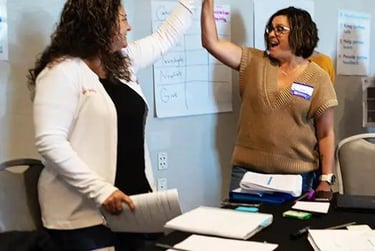
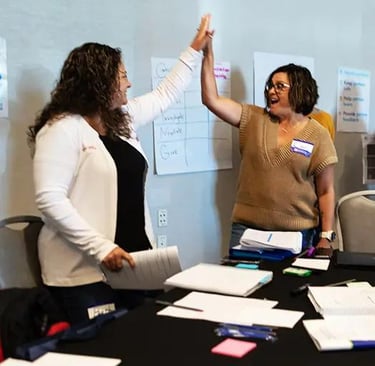
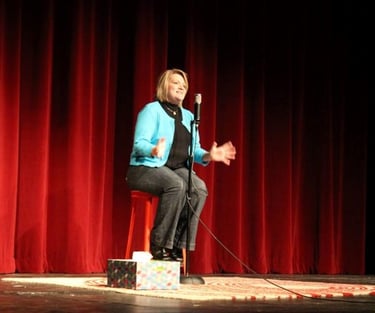
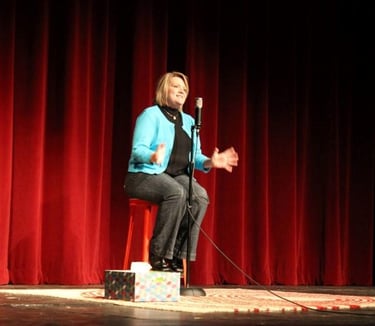
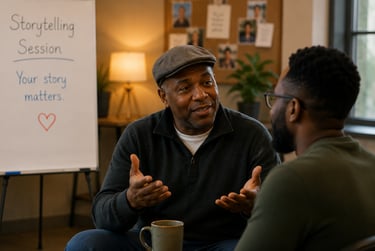
At B2A CIC, we believe that every person carries a story worth hearing. Storytelling Sessions provide a safe, respectful, and encouraging space for individuals to reflect on their life experiences, express their identity, and connect meaningfully with others through authentic sharing.
These sessions are designed to help participants rediscover the value within their personal journeys — including moments of challenge, transition, resilience, achievement, and hope. Through guided conversation, reflective exercises, and supportive listening, participants are encouraged to communicate not only what they have done, but also who they are becoming.
Storytelling is more than speaking. It is a process of rebuilding confidence, restoring dignity, and helping others understand the human experiences behind each individual. By sharing stories authentically, participants can strengthen self-awareness, develop their personal voice, and build deeper emotional connections within communities.
Our Storytelling Sessions also support the development of communication and self-presentation skills in a gentle and human-centered way. Participants learn how to frame experiences with honesty, purpose, and meaning — transforming lived experiences into sources of encouragement, empathy, and contribution.
Whether someone is rebuilding identity after major life changes, adapting to a new environment, or seeking renewed confidence and direction, these sessions aim to foster belonging, mutual understanding, and personal growth.
Through listening and being heard, we believe people can move from invisibility toward connection, from silence toward expression, and from isolation toward community.




Public Speaking Clinics
Build confidence and overcome stage fear
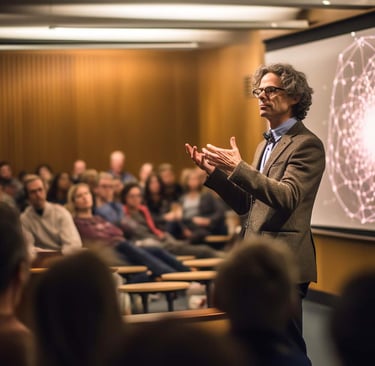
Speaking in front of others can feel intimidating — especially when people are rebuilding confidence, adapting to a new environment, changing careers, or trying to express ideas in a second language. Many individuals carry valuable experiences, wisdom, and talents, yet struggle to communicate them with confidence in public settings.
At B2A CIC, our Public Speaking Clinics provide a safe, encouraging, and human-entred environment where participants can gradually strengthen their voice, presence, and self-belief. The clinics are designed not simply to teach presentation techniques, but to help individuals discover the courage to be seen, heard, and understood with authenticity and dignity.
Through supportive practice, guided reflection, and practical communication exercises, participants learn how to:
manage nervousness and stage fear,
speak with greater clarity and confidence,
communicate personal stories meaningfully,
engage audiences with authenticity,
and develop the confidence to contribute in workplaces, communities, interviews, and public life.
The clinics emphasize progress rather than perfection. Participants are encouraged to grow at their own pace while receiving constructive encouragement from facilitators and peers.
Core Objectives of the Clinics
Participants will be supported to:
Build confidence in speaking before individuals and groups
Understand and manage anxiety related to public speaking
Improve verbal and non-verbal communication skills
Develop self-awareness and authentic personal expression
Learn practical speaking structures and delivery techniques
Strengthen listening, empathy, and audience engagement
Practice storytelling and real-life communication scenarios
Increase self-efficacy and social participation
Suggested Structure of the Public Speaking Clinics
1. Finding Your Voice
Theme:
Recognizing that every individual has a meaningful voice and story.
Activities:
Gentle introductions
Icebreaker conversations
Voice and breathing awareness
Short self-introduction practice
Reflection: “What makes my voice valuable?”
Outcomes:
Participants begin speaking in a safe environment without pressure for perfection.
2. Understanding Stage Fear
Theme:
Understanding nervousness as a normal human response.
Activities:
Exploring common fears of public speaking
Identifying personal triggers
Relaxation and grounding exercises
Confidence-building pair activities
Reframing fear into growth
Expected Outcomes:
Participants gain emotional awareness and practical coping strategies.
3. Building Confidence Through Body and Voice
Theme:
Developing presence, posture, eye contact, and vocal confidence.
Activities:
Posture and breathing exercises
Voice projection practice
Facial expression and body language awareness
Practicing eye contact safely
Speaking short sentences confidently
Expected Outcomes:
Participants become more comfortable with physical presence and delivery.
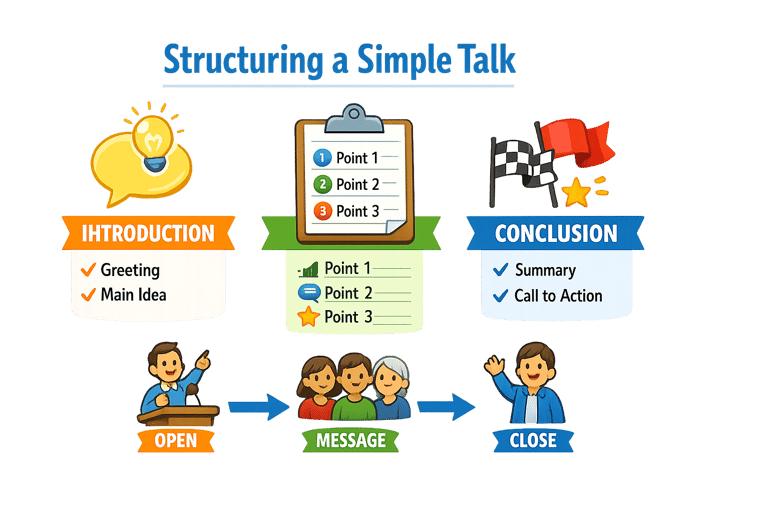
4. Structuring a Simple Talk
Theme:
Learning how to organize thoughts clearly and confidently.
Activities:
Introduction–Body–Conclusion framework
Using examples and personal experiences
Simple storytelling structure
Speaking for 1–2 minutes
Constructive peer encouragement
Expected Outcomes:
Participants learn practical speaking structures for everyday use.
5. Storytelling and Authentic Communication
Theme:
Connecting with others through genuine stories and lived experiences.
Activities:
Sharing meaningful life moments
Listening with empathy
Storytelling circles
Practicing emotional connection
Reflective feedback sessions
Expected Outcomes:
Participants strengthen authenticity, confidence, and audience connection.
6. Speaking in Real-Life Situations
Theme:
Applying speaking skills to practical daily contexts.
Activities:
Interview simulations
Workplace communication practice
Community speaking scenarios
Group discussions
Speaking up respectfully and assertively
Expected Outcomes:
Participants develop confidence for practical real-world communication.
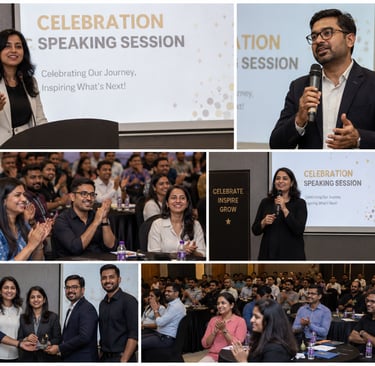
7. Celebration Speaking Session
Theme:
Celebrating growth, courage, and personal progress.
Activities:
Short participant presentations
Encouragement circles
Reflection on personal growth
Certificates and appreciation
Group celebration
Expected Outcomes:
Participants experience achievement, visibility, and encouragement.